B2B Lead Generation in 2026: Building an Outbound Pipeline That Books 20+ High-Ticket Calls Monthly
Cold calling is dead, and generic spam gets blocked. Discover the multi-touch outbound framework combining LinkedIn authority, AI personalization, and verified cold email.
Quick answer
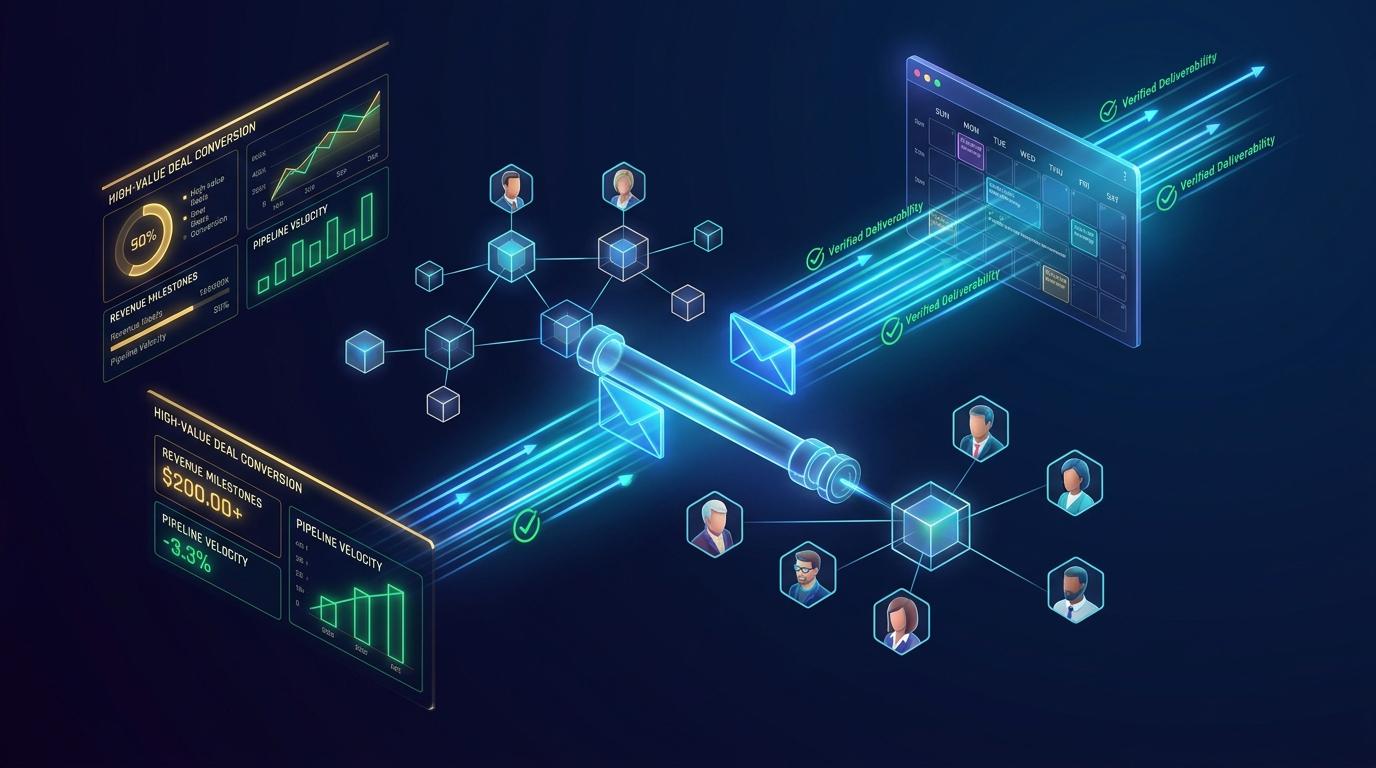
Sustainable B2B pipeline generation in 2026 combines hyper-personalized cold outreach with strong founder-led social proof. Rather than blasting thousands of generic emails, winning agencies use secondary domains with strict SPF/DKIM/DMARC records, trigger outreach on verifiable buying signals (hiring, funding, new tech stack), and offer friction-free value audits rather than aggressive sales pitches.
Key takeaways
- Spamming generic email templates burns domain reputations and yields reply rates below 0.5%.
- Signal-based outreach (reaching out when a company hires, raises funds, or changes tech) increases positive responses by 4x.
- LinkedIn profile optimization turns views into inbound warm leads when backed by weekly insightful problem-solving posts.
- Always offer a low-friction asset (e.g. a free 5-minute video teardown or audit) instead of demanding a 30-minute demo.
If your B2B sales strategy relies entirely on word-of-mouth and passive networking, your revenue is at the mercy of chance. One month you are overwhelmed with client work, and the next you are wondering where the next contract will come from. A structured B2B lead generation system changes that: an outbound pipeline that books high-ticket calls monthly, not occasionally.
At the same time, old outbound tactics have stopped working. Blasting 10,000 scraped emails with generic templates like "Quick question for you, [First Name]" lands straight in spam filters, and aggressive LinkedIn InMail pitches get ignored.
In 2026, building a predictable B2B sales pipeline requires a signal-based, multi-channel outbound system. Here is how modern agencies and enterprise service companies consistently book 20+ qualified sales calls every month.
1. The infrastructure: technical deliverability first
Before sending a single outbound email, your technical infrastructure must be airtight:
- Secondary domains: Never send cold campaigns from your primary corporate domain. If an email account gets flagged, you cannot risk your day-to-day client emails going to spam. Purchase variations (e.g. `zynetechshq.com`) and forward all web traffic to your main site.
- SPF, DKIM & DMARC: Configure custom DNS TXT records with strict DMARC policies (`p=reject` or `p=quarantine`). Google and Yahoo reject unauthenticated bulk mail outright.
- Inbox warmup: Gradually ramp sending volume over 3 to 4 weeks using automated warmup pools to build high sender reputation.
2. Signal-based targeting: reaching out at the right moment
Timing beats copy every single time. Instead of reaching out to a static list of CEOs, target companies showing active buying triggers:
- Hiring signals: If a company just posted a job opening for an in-house SEO or frontend engineer, they have budget allocated and an immediate pain point.
- Funding & expansion: Startups that recently closed a funding round need to deploy capital into growth and customer acquisition immediately.
- Technology changes: Identifying brands running on slow, outdated monolithic tech gives you an obvious wedge to offer custom Next.js modernization.
3. The low-friction offer: value before the pitch
The biggest mistake in cold outreach is demanding 30 minutes of a busy executive's time in your very first message. They don't know you, and they don't owe you anything.
Instead, lead with an undeniable, zero-obligation gift: - "We noticed your mobile checkout has 3 uncompressed images causing a 4-second delay. We made a quick 2-minute video showing your developers how to fix it — mind if we send the link?" - When prospects see that you took the time to inspect their business and provide actual value upfront, positive response rates jump from 1% to over 10%.
4. Multi-channel touchpoints with LinkedIn authority
Email works best when backed by founder presence on LinkedIn:
- Step 1: View the prospect's LinkedIn profile and engage thoughtfully with one of their recent posts.
- Step 2: Send email #1 with the low-friction insight.
- Step 3: Send a LinkedIn connection request with no pitch: "Loved your recent insights on D2C logistics, [Name] — would love to connect."
- Step 4: Send email #2 following up on the resource.
- When they receive your email, they recognize your name from their LinkedIn notifications, making your message feel warm rather than cold.
Build a predictable revenue pipeline
Zynetechs helps B2B companies, tech startups, and enterprise service firms design, automate, and execute high-converting outbound lead generation engines. Book a free consultation to map out an outbound pipeline for your business.
Frequently asked questions
Quick answers about b2b growth from the Zynetechs team.
Never send cold outbound campaigns from your primary corporate email domain. Setup dedicated secondary domains (e.g., yourcompany-labs.com), configure SPF, DKIM, and DMARC authentication, and warm up inboxes for 21 days before sending.